
EMDR-Informed Therapy for Adult ADHD in Colorado
“I can't focus on what I need to be doing without getting distracted.”
Does this sound familiar?
Difficulty with attention and focus. Struggling with organizing, completing tasks, and details. Trouble following directions. Forgetfulness. Fidgeting or squirming. Excessive energy. Unexplained fatigue. Inability to relax. Frequently losing or misplacing things. Acting without thinking. Engaging in risky behaviors despite unwanted consequences. Intense fixation on an interest or activity causing you to lose track of everything else going on around you. Poor work or school performance. Difficulty in relationships. Low self-esteem. Restlessness. Poor time management and planning. Getting frustrated easily. Mood swings. Difficulty coping with stress and transitions.
What is adult ADHD?
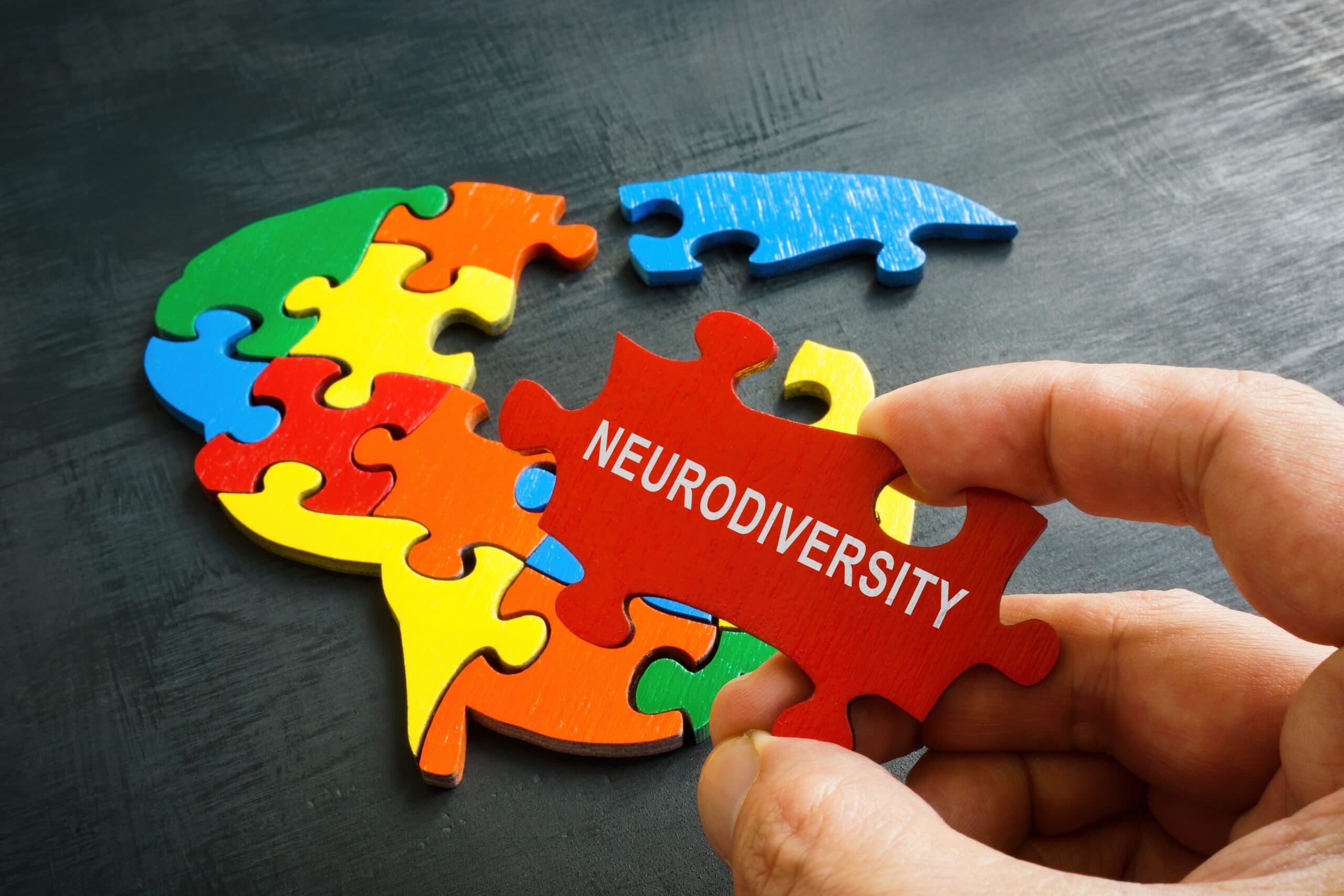
ADHD, Attention-Deficit/Hyperactivity Disorder, is one of many aspects of neurodiversity, or the range of typical variation in individual brain function and processing among the human population. It is not uncommon for an adult to be unaware they have ADHD and just awareness that certain detail-oriented tasks can be a challenge. ADHD is characterized by persistent patterns of symptoms that fall into three categories: inattention, hyperactivity, and impulsivity. Individuals may experience some of these symptoms briefly, but when they are persistent and cause ongoing problems in multiple areas of life, such as work, home and relationships, ADHD can be diagnosed.
How does EMDR help with ADHD?
Research finds EMDR an effective treatment for individuals experiencing symptoms of ADHD. Through the 8 different phases of EMDR, such as resource development (learning coping skills to manage strong and difficult emotions), cognitive interweave (targeting negative self-beliefs), and bilateral stimulation (tapping or eye movements), those with ADHD can develop coping skills, process distressing memories, decrease the emotional reactivity to those memories, and improve emotional regulation, self-esteem, and self-acceptance.
EMDR improves ADHD in directly addressing aspects of daily stress that worsens ADHD, improving someone’s ability to respond to anger, frustration, or other unwanted emotions, and strengthening self-esteem and self-acceptance. If an individual has experienced a traumatic experience, this can often make ADHD symptoms worse. EMDR can help process these memories and reduce their impact on ADHD symptoms. Frustration, impulsivity and mood swings are common symptoms of ADHD, and EMDR can be effective in reducing these symptoms and “take the edge off” unwanted and difficult emotions. This helps improve ability to manage unwanted emotions in all areas of life. Through decreasing these symptoms and increasing feelings of self-esteem and self-acceptance, EMDR can help those with ADHD live a more satisfying life.
EMDR can help folks process and resolve negative experiences, beliefs, and emotional triggers that impact and worsen ADHD symptoms. It can take someone from feeling like they can’t function well on any given day to living a healthy and deeply satisfying life. If you experience ADHD symptoms, schedule your first session with us today to see how we can help you work towards relief and better creating the life you want. At the EMDR Center of Denver, we believe that every person experiencing ADHD can create a more satisfying life. Schedule your first session with us today to work towards creating the life you want.
Not all therapy is the same.
Invest in yourself through effective, evidence-based treatment that yields proven results.
Not sure if you are experiencing symptoms of ADHD?
Take the Adult ADHD Self-Report Screening Scale for DSM-5This questionnaire can be used as a starting point to recognize the signs and symptoms of ADHD but is not meant to replace consultation and evaluation with a trained mental health professional. An accurate diagnosis can only be made through a clinical evaluation. Regardless of the questionnaire results, if you have concerns regarding symptoms of ADHD that you may be experiencing, please discuss these concerns with a mental health professional. We would be happy to assist with this process.
Supporting Research for EMDR Treatment and ADHD:
- Final Draft MultiModal Treatment of ADHD and ADD
- EMDR Treatment of Distressful Experiences That Fail to Meet the Criteria for PTSD
- Toward an Understanding of the ADHD-Trauma Connection
- Eye Movement Desensitization and Reprocessing (EMDR) as a Possible Evidence-Based Rehabilitation Treatment Option for a Patient with ADHD and History of Adverse Childhood Experiences: A Case Report Study
What do online EMDR sessions for adult ADHD look like?
- A free 15-minute consultation. You ask questions, we learn what you are looking for, and together we decide whether we are a good fit. Book a time.
- A first session focused on your story. We gather history, set the goals you want to reach, and build coping skills before any memory work begins.
- Weekly one-hour sessions, or intensives. Standard sessions run about an hour. Most EMDR intensives are 90 minutes or two hours. Current fees are on the Rates page.
- Online, anywhere in Colorado. Sessions run on a secure, HIPAA-compliant video platform, so you can do this work from your own space. We are licensed to work with adults who live in Colorado, from Denver to Colorado Springs and Fort Collins. Read how online EMDR works.
- Support between sessions. If a quick check-in would help between appointments, you are welcome to call or text us.
ADHD: frequently asked questions
Can EMDR treat ADHD?
Do you diagnose ADHD or prescribe medication?
How is EMDR-informed therapy for ADHD different from coaching?
Is there a screening tool for adult ADHD?
Are sessions online or in person?
How do I get started?
How It Works
Getting started is simple — and the first conversation is free.
You don't have to carry this alone.
Schedule your free 15-minute consultation today and see how EMDR can help you get your life back.
Related reading
Articles from our clinicians on adult ADHD and how EMDR works.
EMDR for ADHD
EMDR does not cure ADHD, but it reduces the stress, shame, and past experiences that make symptoms worse. What the research shows. Online therapy in Colorado.
Does Virtual EMDR Work?
Does virtual EMDR work? What the research says about online EMDR, how bilateral stimulation is done over video, and who it suits. Online across Colorado.
Mindfulness and EMDR: How They Can be Used Together
Mindfulness and EMDR reinforce each other. Learn how present-moment awareness supports reprocessing and what to expect in sessions. Online EMDR in Colorado.
What is EMDR?
What EMDR is, how bilateral stimulation works, the eight phases of treatment, and who it helps. From EMDR Center of Denver, online for adults across Colorado.